
People often throw things away too quickly. Many items still have value or can be fixed. Instead of replacing them, repairing and storing these items can help reduce waste. This option supports responsible consumption and protects the environment. Choosing sustainable storage for broken or unused items can save money and time while reducing clutter.

Why People Replace Instead of Repair
Many people think replacing something is easier than repairing it. Fast delivery and cheap prices encourage this choice. Items like furniture, electronics, and tools often go to landfills after minor damage.
Stores and ads make new products seem like better choices. But this adds to pollution and waste. Repairing can often take less time and money than buying something new. Repaired items often last longer, too. Learning more about recycling things at home can also help reduce unnecessary waste and promote better habits.
Small Actions That Support Sustainable Habits
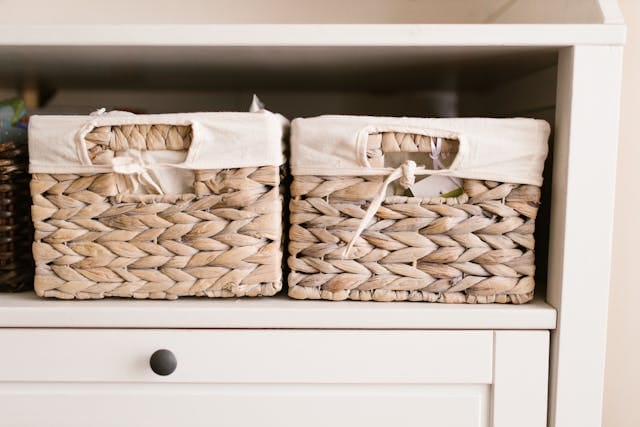
Choosing to repair and store instead of discarding can help reduce clutter and waste. One simple way to start is by organizing your space with environmentally-friendly storage containers made from recycled or reusable materials. These containers support long-term use and reduce your need for new storage products. If you’re looking for quick ways to build better habits, consider completing micro-tasks that help you make sustainable choices. Small steps can lead to long-term change and support a cleaner, more efficient living space.
Hidden Value in Broken or Unused Items
Not everything that breaks needs to be thrown out. A cracked table can be glued. A chair with a loose leg can be fixed. Even electronics with minor issues can work well again with simple parts. Unused items can also serve a future purpose. You might not need an extra shelf now, but it may be useful next month. Keeping these items stored properly makes them easy to access later. This is where sustainable storage for broken or unused items becomes important. It helps keep useful things out of the trash and in good shape until needed.
Benefits of Repair Over Replacement
Here are some clear benefits of choosing repair instead of replacement:
- Lower Cost: Most repairs cost less than replacing an entire item.
- Longer Use: Repaired items can last several more years with simple fixes.
- Skill Building: Repairs help you learn useful skills for home and daily life.
- Customization: Fixing things lets you change or improve the item to fit your needs.
- Environmental Help: Repairing reduces waste and lowers the demand for new goods.
- Personal Satisfaction: Restoring an item yourself feels good and builds confidence.
Best Ways to Store Items Sustainably
To support sustainable storage for broken or unused items, start with sorting. Keep similar items together. Use boxes or bins that are labeled and easy to access. Choose breathable materials if you’re storing fabrics or electronics. This prevents mold and moisture damage. Store items in a dry, cool place to protect them from weather or heat.
Using methods like zero-waste decluttering to streamline your storage can help reduce waste while improving organization. It encourages reusing what you already have and finding efficient ways to store items without creating more clutter.
Avoid single-use plastic containers. Choose reusable totes or repurpose boxes you already own. This cuts down on waste and saves money. Add shelves or use under-bed storage to make use of space. Keep a list of what you have stored and update it as needed.
How to Decide If Something is Worth Fixing
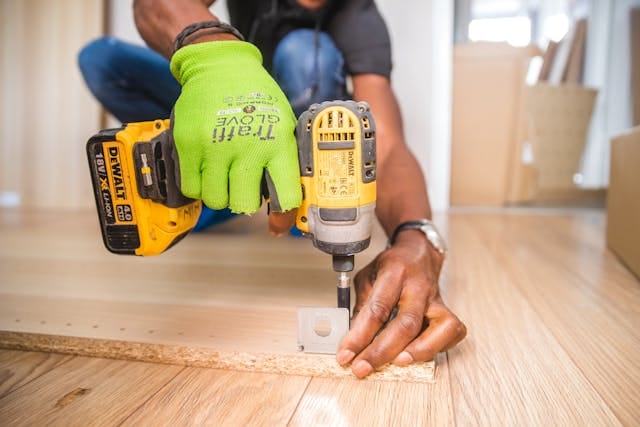
Before repairing something, check a few things. Ask if the fix is easy or affordable. Consider how often you use the item. If it’s valuable or hard to replace, it’s likely worth fixing. If a repair costs more than a replacement, check if the item has sentimental or practical value. Sometimes, keeping a high-quality item is better than buying a lower-quality new one. Items with minor damage, such as scratched surfaces or worn parts, can usually be fixed with simple tools or kits. YouTube and repair forums offer step-by-step help.
Simple Ways to Learn Repair Skills
You do not need to be an expert to fix many items. Here are easy ways to get started:
- Watch Free Videos: YouTube has guides for almost every repair job.
- Attend Workshops: Community centers and libraries often host repair events.
- Read DIY Blogs: Many blogs offer simple guides with clear steps.
- Start Small: Begin with simple repairs like sewing or fixing a drawer.
- Ask for Help: Friends and family may already know how to fix things.
- Join Local Groups: Repair cafés and tool libraries offer help and equipment.
Fixing things becomes easier with time. You also gain confidence and reduce what you throw away.
Extend Impact by Embracing Circular Practices
Building repair habits is a great step, but there’s more you can do to reduce waste. One meaningful way is to bring a circular economy into your life. This approach focuses on extending the life of products through reuse, repair, and recycling. It encourages thoughtful consumption and supports systems that keep materials in use longer. Applying these ideas in your daily routine can make your repair and storage efforts even more effective.

Why Sustainable Storage for Broken or Unused Items Matters
People often toss things due to space or disorganization. Keeping these items stored in a way that is practical and eco-friendly changes that. With proper storage, items are easy to find and fix when you have time. This prevents repeat purchases and lowers your overall expenses. Sustainable storage cuts waste and helps reduce global demand for raw materials. Label bins by item type or repair needed. Keep tools nearby to remind yourself to fix things during free time. Make space work for you, not the other way around.
Repair and Store Before You Replace
Repairing and storing items reduces waste and saves money. It’s a habit that benefits both you and the planet. Before throwing things away, ask yourself if they can be fixed or stored for later use.
Over time, small actions like repairing a broken chair or keeping old tools organized can have big impacts. These choices support a cleaner environment and a simpler life. Investing in sustainable storage for broken or unused items is a smart, long-term decision.